The World Inside Our Head (The System)

This week we want to talk about our system. It is a little difficult to concentrate this week because there is a lot of switching going on. I am going to try, though.

As covered in a prior article most people with DID have what is called a System inside their head, also known as the headspace. The system is technically all of the personalities who share the head, but it is used interchangeably for the internal meeting space as well.

The headspace can be as small as a house or a large as an entire galaxy, it is completely up to the residents who live in the system. Many people have a name for their system that is meaningful to the members. It can be anything from a normal city name to a random word or phrase.

The purpose of the internal system is to keep everyone on the same page by effectively communicating and also so alters who are not fronting to have somewhere to go to work, relax, or entertain themselves.

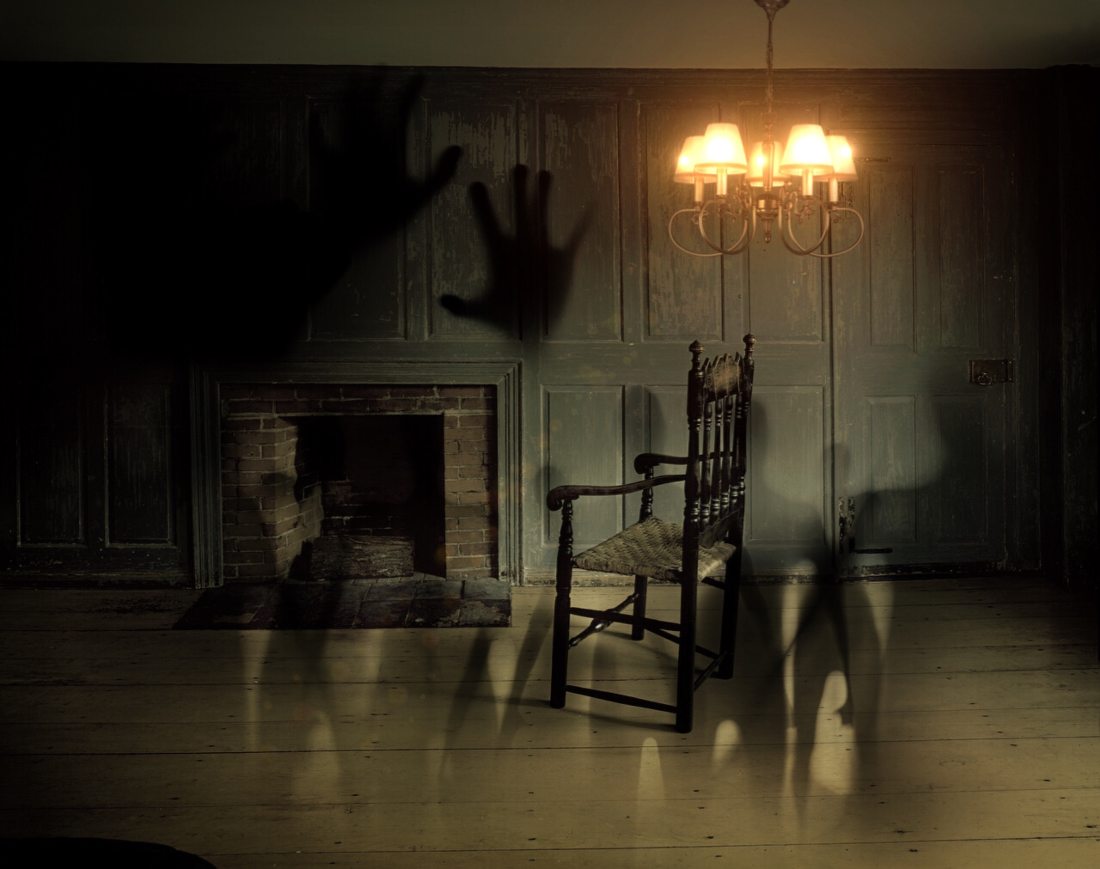
Our system does not currently have a name because we are only just now trying to work together. It is just now becoming clearer as we try to collaborate more. I have not really been to the system consciously; only a couple of times in dreams. However, I know that the main portion of it is some sort of house. It is really dark. You know how your house looks with all the lights off at dusk? That is what it looks like, but Cassiel claims that is due to a lack of communication and we can fix it to be better.

Everyone has their own space in the house and the house can expand if needed when a new alter joins the system. Each room is a like any normal bedroom, a display of the alters hobbies and interests. The only alter room I have seen this far is Cid’s. His room is messy it; has clutter like cigarette packs and empty food boxes and clothes everywhere and the bed is never made. He also grows pot in his closet. I think when he is inside the headspace he spends most of his time in his room.

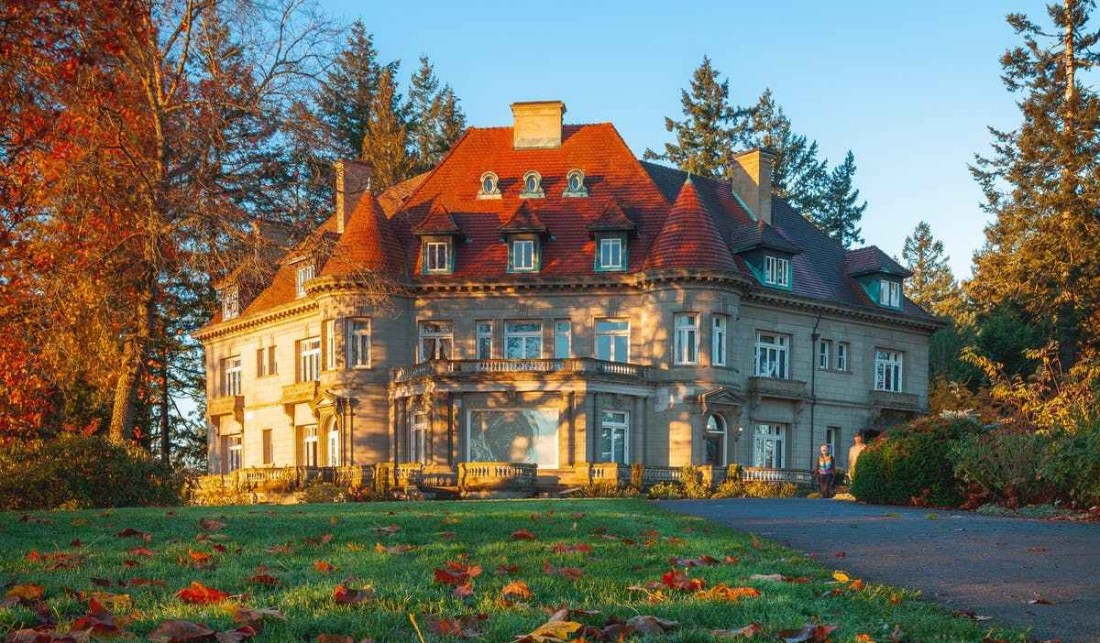
The main part of the house is hard to see details because it is sort of dark, but it is big with a common area that goes into a hall with most of the alters’ the rooms. It seems to be Victorian looking. There are paintings in the hall and the common area has plants and other little cozy decorations, but not a lot of knickknacks or clutter.

 The common room has plush comfortable furniture and a big tv that the Alters who are co-conscious can see things in the real world with. Just off the common room is a large kitchen and a dining room where I guess someone cooks? I don’t know it seemed very clean. I have been told that next to the kitchen there is now a large conference style room with a long table and chairs where system meetings occur, and it is where the job decision was made.

 On down the hallway there is a smaller, cozier room that is used as a quiet space. It has a fireplace and a balcony and more comfortable furniture along with plush carpets opposed to the hardwood in most of the rest of the shared areas. Across from that is a playroom for the little boy who I think is the only little so far. He often has one of the more nurturing alters play with him because he gets lonely as the only little. I know Cassiel does, and I have heard that the woman does sometimes but not often, as well as Ryan and Cyrus.

There are stairs at the end that go down into a basement area where the more reserved or angry personalities live like Hateful, Torturer, and Toss. Their rooms are unique to them like the others, but they did not want to be on the main level because it is too noisy and busy for them. The woman also lives down there and I don’t know if she is angry or if she just doesn’t like being around the others. She is reserved and likes to keep to herself mostly. The basement is much colder but ironically lighter. It has little decoration and, in most places, not even a flooring beyond cement. It does not seem like a comfortable place to be.

Outside of the house is a large grassland on one side with a hedge maze and a flower garden with a vegetable garden in a sperate spot so it doesn’t ruin the aesthetic. In the back is a pool and a patio with a firepit and an outdoor kitchen, hammocks, basketball courts, volleyball courts, swing sets/play area for the little, just lots of fun things to do. To the back in the distance and other side is a forest that looks calm in places and scary in others. Some of the alters like to go out and walk in the forest. I have never seen night, but supposedly it is super dark outside at night and Cid especially likes to go outside and look at the stars. I’m not sure how time works in the system or if it’s just dark whenever they want it to be dark. I don’t know if there are seasons or if they can choose the season by the day, either.

There are a lot of animals, but none are dangerous except the ones in the scary woods and none are in cages they all walk around freely. The house has cats and dogs and a small pig inside. Outside there are horses and all manner of tamed exotic animals.

It seems as if beyond the grassland and the forest there are mountains, but it is difficult for me to see that far in the few times I’ve been there. Sometimes it feels like our system is a Minecraft biosphere or something. I am trying to learn how to go there when I am pushed out of the front instead of just being totally unconscious, but I haven’t had any luck yet.

This is just the extent of our experience. Some people have systems so much more interesting than this. I wanted to paint a mental picture of what it might be like. The inner world functions similar to this one except the laws are just a tad different with the animals and what not. It can also change and grow to meet the changing needs of the system. To those in the system it is as real as this world is, and they even refer to it as their world and this world.

OI will update if I get more information on what it is like there. Writing this has given me some questions to ask my alters. Feel free to ask questions.
Introducing My Alters

Dissociative Identity Disorder is described as the presence of two or more distinct personality states, making the presence of these multiple personalities or Alters the most well-known symptom of DID. Alters are created as a defense mechanism, a form of protection for the original personality, which is usually the host. The first alters are usually formed in early childhood, but more alters can be made or become “active” all though a person’s life.

There can be as few as two personality states or as many as hundreds, however, the most common number seems to be 10-12. Personalities can be anything. Any race, ethnicity, age, gender, sex, etc. Some may not even be human. I have heard of people having animals or mythological creatures like fairies as alters. All of mine are at least humanoid I believe. They can come from different time periods or even other planets or fictional places. Each alter has a unique body type and looks. They can have unique jobs (in the headspace) and interests. Alters often do excel at skills and the host and other alters may not possess at all. Alters choose their name. It could be a normal human name or even the name of an object, place, or trait, anything really.

Alters can be triggered to front if something sudden or scary happens that reminds the host of something bad or just scares the host. For example a few months ago I was lying in bed and the biggest thunder clap I have ever heard happened and it sounded like a gun or something.  Someone took over for that. It wasn’t real danger, but the sudden fear triggered someone, most likely Cid, to take over. Alters can also be triggered to front of they see or hear something they like such as a Tv show or music or a hobby or something generally interesting to them. Littles, or child alters, can be triggered to the front by seeing toys for example.

 Personalities including the host live together in the person’s head. This is called the headspace or the system. I will talk about this often, so it’s important to know what this means. The system is the meeting place for all of the alters. Some people are more connected with their system than others. I am not connected with mine. I have had a couple of faint dreams that supposedly took place in our system, but I don’t remember being their consciously. Usually when I am not in control I have amnesia. I will write more about how the headspace/system works later, but this is basically where all of the personalities “live” while not in control of the body. This helps with organization and helps us know who is in the system even if they don’t take control.  

I currently have around 12 that I have heard of, however, not all of them “front” or take control of my body. I only know of 10 that have in the past year, some of them as few as once. There are only 2 or 3 that do so often. I thought I would make this post about them to explain a little more about how it works for me, or us. Each personality is valued as an individual so to include everyone when talking about things concerning everyone it is recommended to say we or us. I have a bad habit of not doing that which stems from  years of taking the “Maybe if I ignore it it’ll go away” approach, but it makes the others upset so I will try to be mindful to include everyone when speaking about things that everyone is involved with.

I can’t describe each one in detail even if I were able to. That is for them to do and not my place. If that is something you would be interested in reading, I might be able to arrange for some them to take control and do so if they agree. Right now, I am going to briefly mention the ones I know about and how they came about to the best of my knowledge.

The one I hear about most is called Cid. He fronts so much that he is considered a co-host. Most of the time if I’m not in control he is. As far as I know he was the first alter that was created when I was around five years old. He will not say why even when he speaks to therapists and says it’s better that he doesn’t, so I have no idea why this began. He is a lot more laid back than I am, so he usually takes over for generally stressful situations or just normal bad days.

There is one called hateful. Hateful is, well, hateful. Apparently recently he is also calling himself Connor. I don’t know why. He is aggressive and takes over when he feels that is needed to achieve a goal. Other times he seems to be plain hateful for no reason and is not appreciated during those times.

 One is called Torturer. He is not nice. I don’t think anyone in the system likes him. I’m not sure why he even exists but he doesn’t seem to protect me from anything. He used to come out a lot when I was a teen and would cut me and things like that, but he doesn’t seem to come out quite as much anymore which is a good thing.

Toss is very depressed, like super duper depressed. He named himself from the act of tossing oneself off a bridge. He takes over in the worst depressive times. I don’t think he’s been active recently, either, unless it was during my extremely difficult tine over the summer, but I don’t know for sure. I don’t remember a lot of the summer and I don’t know who all was fronting instead.

Cassiel was created recently as a mediator personality. I think he might be an angel or something? I don’t know for sure. He is attempting to organize the system and get everyone, including myself, to communicate better. He was created out of the frustration of never knowing what is going on, so he’s here to oversee everything. He is conscious with almost everyone, I think. I hear his voice sometimes, but he’s the only one I hear most of the time. Some people can hear most or all of their alters all of the time. I am cut off from mine for the most part unless he needs to tell me something important. He helped me figure out what day it was an when I worked again earlier today when I was confused.

Cassiel started a journal for everyone to write their name down and some things about themselves. I have names but the rest is blank for most of them. Here are names of alters I know nothing about: Ryan, Hayden, Orion, Cyrus, Saros, an unnamed female, and a little (child). I don’t think these front often if at all.

Right now the way we communicate is through their journal and through notes either on the computer or written on the refrigerator. Whenever I realize I’ve lost time and feel confused the first thing I do is look for notes. For example, today I had a note from hateful telling me tasks he got done that I have struggled with for months. This is just the first step in some sort of normalcy. Before I had no idea what was going on 90% of the time because everything seemed so fractured. Everything still feels fractured, but it helps when notes make it easier to catch up on what I missed.

I hope this gives some sort of idea of the function of alters. I am open to questions. In the next post, which will hopefully come sooner than this one did, I will talk more about systems and how the headspace works for me. I know this has been a long post so thank you for sticking with me.

My DID Diagnosis

Part 2 from yesterday’s post about growing up with DID.

After finishing high school early I joined the Navy directly after my 17th birthday and I mentally skipped through most of boot camp, but I’m told I did well. By this time, I thought the memory loss was weird but it worked to my advantage, so I just kept it to myself. After I joined the fleet, I was either not myself or I was confused depressed. Working 16-20 hour shifts I was not myself more than myself so I didn’t understand most of what was happening around me or even who people were because I didn’t get a chance to know them. If people asked me about myself I didn’t know what to tell them. I didn’t know what hobbies or interests I had. Life had become so stretched that I forgot what I had been like before. Life was a long stretch of fog with no real direction. I kept a list of the most generic interests possible ready to go to make me look less strange when asked. I tried to focus on music a lot just to have something to ground me and it helped some and satisfied people’s curiosity. During this time people commented to me that I was a lot different during work than after hours. I was told I was more fun at work.  I told them work just made me too tired for fun. Truthfully, I thought the constant brain fog I felt was caused by being tired from work coupled with my depression and I avoided seeing a therapist at fear of being discharged. This went on for the 2 or so years I stayed in, worst during deployments, but it happened most all the time.

A couple of years into my Navy career I had an accident while on leave that resulted in a Traumatic Brain Injury (TBI). I was immediately discharged from the Military and it took months of physical rehabilitation before I could leave the hospital. I had to heal enough to fully breathe normally again. I had to get glasses because my 20/10 vision was ruined. I had to relearn walking, practice speaking, reading, eating and everything else again. It’s still an ongoing process, but intense rehab helped to get me on track at that time.

When I was well enough near the end of my rehabilitation, they started me on intense psychotherapy to help sort out my thoughts and control depression related to the TBI. I absolutely did not feel like a counselor coming into my room asking me all kinds of questions that I didn’t remember the answers to. It was the worst part of my day every time. It became a major point of stress and frustration to the point that Cid began taking the appointments for me. After a few appointments he grew frustrated with the questions as well and stopped pretending to be me. At that point I was tested for disorders such as Schizophrenia, but after looking back at my medical history they determined the symptoms most closely matched DID. They determined the DID was not caused by the TBI because he had so much information about my life as a child, a lot more than I can even remember now. That coupled with the symptoms reported throughout the years proves it was not a new phenomenon, just a well hidden one. However, the counselor thinks the TBI did make them more prevalent either due to the injury itself or as a new protection mechanism and they started coming out a lot more often and more openly than they had before. I’m not sure if that is true, but it’s a good of a guess as any.

After I was released from the hospital I moved back in with my Mom so she could care for me and there would be days that Cid or another alter would come out and just tell my family who they were then continue on without trying to hide it at all. My immediate family was, and I think still is, a little unsettled by it but puts up with it. They have even developed somewhat of a relationship with Cid. A lot of my extended family does not talk to me much anymore.

Switching has stayed steady since then. Sometimes I go months without one coming out and other times they stay out for days at a time. In public, like when I was in the hospital for chemo, they would pretend to be me when they were out just to make things less confusing for nurses and doctors.  Sometimes they might post a meme or something on my Facebook, but they aren’t crazy about it, so they don’t often. If there are stretches of days you don’t hear from me then they’re probably out instead. That is a big concern for people so I wanted to address that right away. People feel like they can’t trust me because they never know if I’m me. You can. It’s not a trick to mess with people like the people who fake show online. Mostly just a trauma thing so they’d have no reason to bother my friends. However if people are comfortable with it and curious about them they could write something. Definitely is not as fast as they show online, though. It would take a few days.

Growing Up with DID

This is part One of my DID diagnosis. Part 2 will be posted tomorrow.

I was asked earlier about the first time I experienced a DID episode. That is difficult to pinpoint, but I can talk about when it became apparent enough that a psychiatrist finally diagnosed it and what life was like up to that point.
I was a “sensitive” child. Prone to stress easily and often on edge, usually for no reason. I would sit and stress out about everything to the point that I detached from myself. One of the few memories I still have from childhood are these vivid out-of-body experiences beginning at about 7 years old. At the time I thought I must be a super psychic or something. I would be sitting and literally feel like I floated out of myself and looked around the room from above it, once even seeing myself in the room. (I’m not sure how to explain that part unless it was my mind constructing what the room must look like). Things were foggy like there was a cloud around me and I couldn’t control myself anymore, so I just watched instead. It would fix itself eventually and I would soon forget about it. I never told anyone about it because even as a child I knew it sounded insane.
That happened a less as I aged and was replaced by amnesia or missing time as I called it. As I went into my adolescence, I started losing small chunks of time like entire school days for example. At that point I just thought I was good at daydreaming because I hated school. I felt that I didn’t fit in and I didn’t keep many friends. The amnesia was great during the day, but awful at night because I never got any work finished in class and after missing the lecture I didn’t understand the homework. I didn’t know how to explain it to my parents, so they thought I was just lazy or unmotivated to do my work. I even had a teacher tell me once that other teachers warned them about how I would sit and refuse to work in class, to which I was totally confused because I felt I was trying my best. I made decent grades and passed except for one year, but things only got worse as I aged.
By high school it got so bad that I transitioned to homeschooling due to a diagnosis of anxiety and depression by a psychiatrist. At home my head stayed clearer and I obsessively did school work, finishing all 4 years of high school in a year and a half, by myself other than some math tutoring, and finishing with a 4.9 GPA and proving that whatever my problem was, it was not academic.
Skipping ahead for a minute, this may seem like it has nothing to do with my DID diagnosis, but each of these problems that cropped up over the years was a different symptom of DID making itself known as it progressed. At first, they thought I was just too sensitive. As I aged, they assumed I became lazy and then it was assumed to be caused by depression.
During this time, I had at least one altar, Cid, that came out though I was unknown to everyone, even me. In later counseling sessions it was discovered that he first came to be when I was 5 years old. I don’t know why. It’s usually caused by something extremely traumatic, but if something happened, I can’t remember whatever it was. That’s what they’re for, to hide the bad things. He has never told what it was or why he came to be. He says he doesn’t want to talk about it; he just is and that’s good enough. He or another went to school for me all those times I couldn’t remember the day. He is good at pretending to be me when he needs to be, so if it was him at school the teachers assumed it was me. He still comes out when I’m stressed and is the most active other than myself, the host though as an adult he has more distinctive personality traits from me. It was he who finally told a counselor who he was and began the path to diagnosis, which I will talk about in the next post.

Treatment of DID

The treatment of DID often takes a lifetime and there can be two goals based on the individual’s needs and requests. The first, more encouraged treatment goal is integration in which the psychologist will work through the trauma of the client to fuse all of the alters into one whole personality. This is achieved by resolving the issues or trauma experienced by each alter one at a time.

The second treatment option is maintenance in which the client chooses for the entire system to learn how to communicate more effectively and live together in harmony. This is done if a client does not feel ready or able to face the world “alone” or if the system values each identity equally. A hot topic of debate within the treatment of DID is on how “real” each identity is. Some researchers feel that each identity should be treated as a whole valued person worthy of equal respect while other professionals assert that identities beyond the host, or original personality, need to be integrated and should not count as an equal.

The classic approach has been integration but the equal value of each identity has become more popular in recent years as more people are choosing not to integrate and instead work with counselors who are recognizing the value of each identity as well as the value of a coherent cooperative system.

Symptoms of DID

The most recognizable symptom of DID is the presence of two or more unique identities or personality states known as “Alters”, “Switches”, or “Headmates”. One personality is shown to the world at a time which is called “fronting” or being “out”. The fronting alter can change as little as once every few years or as often as multiple times in the span of mere minutes. The common number of personalities someone with DID holds is 10-12, however, there have been rare reported cases of suffers having as many as 100 or more alters.

Alters can come out as the result of a traumatic or scary experience such as loud sound or uncomfortable situation, a pleasant experience such as a song they enjoy or a favorite food, or even as a result of being asked to come out by someone like a counselor, though the alter can decide whether they want to come out based on how much they like the person who is requesting to see them. The process can happen quickly or over a period of hours or days and will often involve a trans like state during the change. The purpose of alters is always to protect the original personality. Since identities are created though trauma, each identity is usually specifically equipped to deal with a certain set of situations or emotions. Even if the alter is not nice, it is a defense mechanism to protect the host in the only way they know how.

The original personality is usually the host, or the identity that fronts most of the time. Often the host is not aware of alters, but there are cases where alters can communicate with the host and/or with one another. Occasionally an alter can take over as host if the original personality is too traumatized to go on, but this is a rare occurrence.

The host and the alters all live together in the head space (the person’s mind) which is called a system. Alters take over full function of the host with their own mannerisms, speech patterns, interests, skills, sex/gender, race/ethnicity, nationality, and so on which can be similar or different than that of the host. The host can either observe but have limited to no interaction while an alter is “out” or experience amnesia for the time they are not in control.  How much or little control the host has with alters can vary among different alters. Alters can have individual and shared memories with some or all alters as well as the host. For this reason, alters have unique memories, experiences, and even relationships throughout their lives which the host may have no knowledge of.

Below is a list of common symptoms that comes with switching – the process of an alter taking control of the body.

  • Headache
  • Amnesia
  • Time loss
  • Trances
  • “Out of body experiences”

Some people with dissociative disorders have a tendency toward self-persecution, self-sabotage, and even violence (both self-inflicted and outwardly directed).

People with DID may experience:

  • Depersonalization: a sense of being detached from one’s body, often referred to as an “out-of-body” experience.
  • Derealization: the feeling that the world is not real or looking foggy or far away. For me depersonalization and derealization often feels as if I’m in space attached to the world by a string and looking down at it.
  • Amnesia: the failure to recall significant personal information that is so extensive it cannot be blamed on ordinary forgetfulness. There can also be micro-amnesias where the discussion engaged in is not remembered, or the content of a meaningful conversation is forgotten from one second to the next.
  • Identity confusion or identity alteration: both of these involve a sense of confusion about who a person is. An example of identity confusion is when a person has trouble defining the things that interest them in life, or their political or religious or social viewpoints, or their sexual orientation, or their professional ambitions. In addition to these apparent alterations, the person may experience distortions in time, place, and situation.
  • Symptoms and experiences vary widely between individuals. Even after decades of study the symptoms are still vague and much of DID is still misunderstood by researchers.

Symptoms and experiences vary widely between individuals. Even after decades of study the symptoms are still vague and much of DID is still misunderstood by researchers.

What is DID

Soon I will get to my own experiences, but I wanted to lay out some very basic information first so you can understand what I am talking about within my experiences.

Dissociative Identity Disorder (DID) is a complex psychological condition that has been recorded in various ways throughout history; even as far back as prehistoric cave paintings. Originally the Diagnostic and Statistical Manual of Mental Disorders (DSM) referred to the condition as Multiple Personality Disorder and defined it as a simple alteration in consciousness because little was known about how and why the condition developed. It wasn’t until 1994 that the condition was more accurately renamed Dissociative Identity Disorder and reclassified as a unique Identity disorder further separating it from other psychological conditions such as Schizophrenia.

Much is still unknown about DID, but researchers agree that DID is probably caused by intense trauma or stress during early childhood development. A person’s identity is not fully formed until around the age of eight years, making young children more susceptible to psychological disorders during this early stage of life.

DID is not simple hallucinations as previously thought, but partially formed personalities within a person. There is a host personality which is most often the “original” personality that is displayed to the world and known by family and friends from birth. Often the host personality does not realize other personalities are there until much later if they notice at all. On rare occasions another personality can take over as host, but researchers have yet to figure out why this happens.

Personalities can be nearly fully formed and normally functioning personalities with their own name, age, gender, ethnicity/race, hobbies, skills, likes and dislikes or small fragments of a personality created to complete one task or process one emotion.

In upcoming articles I will discuss symptoms of and effects of DID as well as my personal experience with it. Feel free to ask questions anytime.

Featured

Why?

Last night I came out of the proverbial mental health closet by announcing that I have Dissociative Identity Disorder (DID). A radio show I dearly love compared DID to government programming and demon possession. They have done this multiple times in the past and it’s finally time to set the record straight as much as I am able to.

This is such a big deal because throughout the years I have to hide it in most all aspects of my life due to the intense stigma surrounding it. All mental health disorders face stigma, but thanks to misconceptions DID is one of the most misunderstood and stigmatized mental health disorders of all.

I hope though this blog I can share what it is really like to live with DID and help prove that it is a regular psychological disorder that deserves patience and support rather than something to be feared.